




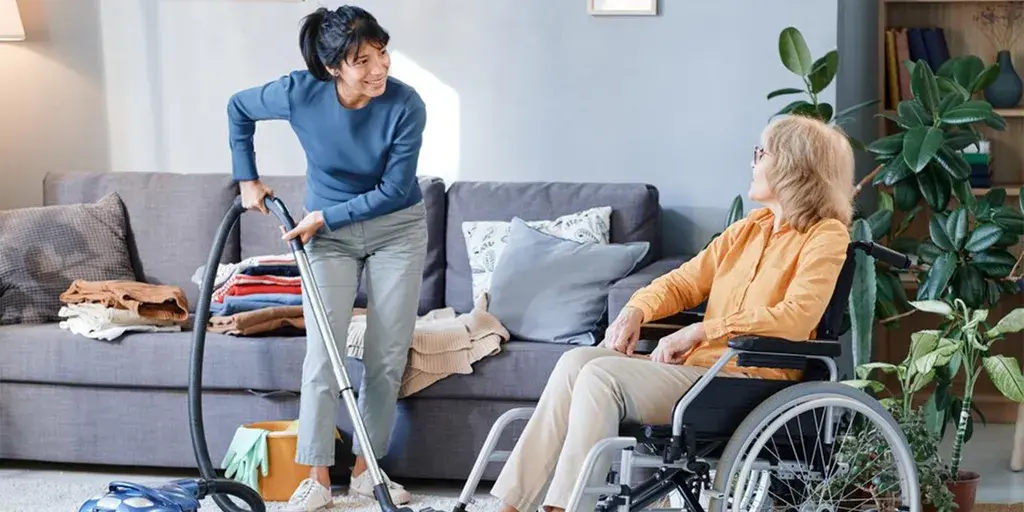













The dignity of risk in aged care refers to a person’s right to make independent decisions, even when those decisions involve potential risks. It is a fundamental part of consumer dignity and choice, ensuring that older Australians have the autonomy to live their lives on their own terms while receiving aged care support.
However, dignity of risk must be carefully balanced with duty of care—the responsibility of aged care providers to protect individuals from harm. Finding this balance is essential in both home care and residential aged care to ensure that people can exercise their rights without compromising their well-being.
Dignity of risk is central to person-centred care, which is part of Australia’s Aged Care Quality Standards. This ensures that older individuals maintain control over their choices while receiving support tailored to their needs.
What Does “Dignity of Risk” Mean?
The dignity of risk is the idea that older Australians have the right to make their own choices, even if those choices involve potential dangers. It recognises that risk is a natural part of life and should not be completely removed from aged care services.
Instead of focusing solely on eliminating risks, aged care providers should support individuals in making informed decisions while ensuring their safety. This approach aligns with the principles of person-centred care, which prioritises a person’s preferences, values, and lifestyle choices.
Key Aspects of Dignity of Risk
- Empowerment – Allows individuals to make their own decisions, rather than having choices made for them.
- Informed Choice – Aged care recipients should have all the necessary information to understand both the benefits and risks of a decision.
- Respect for Independence – Recognises that taking risks is part of maintaining dignity and self-worth.
- Balance with Safety – While risks exist, providers must help minimise unnecessary dangers without limiting personal freedoms.
Unlike traditional aged care approaches that prioritise risk avoidance, dignity of risk supports a more balanced and respectful way of providing care, allowing individuals to retain control over their lives as they age.

Why Is Dignity of Risk Important in Aged Care?
Dignity of risk plays a crucial role in enhancing the well-being and quality of life for older Australians. It ensures that aged care recipients are active participants in their own care rather than having every decision made for them.
Many older adults have spent decades making choices about their health, lifestyle, and daily routines. Losing this ability in aged care settings can feel restrictive and disempowering. The dignity of risk allows them to maintain their sense of identity, control, and self-worth, even when receiving care.
- It allows aged care recipients to make informed decisions about their lives.
- It supports autonomy, independence, and self-determination.
- It ensures that older Australians are not treated as passive recipients of care.
- It helps improve quality of life and mental well-being.
How Does Dignity of Risk Improve Quality of Life?
- Encourages independence – Older Australians can continue doing things they enjoy, rather than being overly protected.
- Respects personal preferences – Recognises that one-size-fits-all care doesn’t work, and that individuals should make choices that align with their values.
- Promotes mental well-being – When people feel heard and in control, they experience greater emotional and psychological well-being.
- Prevents unnecessary restrictions – Aged care should not eliminate all risks but support safe decision-making.
Dignity of Risk vs. Duty of Care
One of the biggest challenges in aged care is balancing dignity of risk with duty of care. While aged care providers are legally responsible for protecting individuals from harm, they must also respect the right to make choices—even if they involve some risk.
| Aspect | Dignity of Risk | Duty of Care |
| Definition | The right to make choices, even if they involve risks. | The responsibility of caregivers to protect individuals from harm. |
| Focus | Personal freedom and autonomy | Health, safety, and well-being |
| Example | A resident chooses to walk independently despite the risk of falling. | A provider ensures safety measures are in place, such as handrails or mobility aids. |
Examples of Dignity of Risk in Aged Care
Dignity of risk applies to everyday decisions that older Australians make—decisions that may involve an element of risk but contribute to their independence and quality of life. Aged care providers must support these choices while ensuring individuals are aware of potential risks.
Common Examples of Dignity of Risk in Aged Care
Choosing to live at home instead of a residential aged care facility
Some older Australians prefer to remain in their homes even if it means living alone and facing challenges such as mobility issues or emergencies.
Deciding what to eat
An elderly person with difficulty swallowing may still choose to eat certain foods, even if they present a choking risk. Instead of restricting choices, care providers can offer modifications or alternatives to balance safety and preference.
Engaging in physical activity despite mobility risks
Some aged care recipients may want to continue gardening, jogging, or walking independently, even if there’s a risk of falling. Providers can support these choices by offering walking aids or supervised sessions rather than forbidding activities.
Going on unsupervised outings
Some elderly people may choose to go shopping, visit friends, or take public transport alone, even if there is a risk of getting lost or injured. Aged care providers can offer strategies to minimise risks, such as GPS trackers or emergency contact plans.

How Do Aged Care Providers Balance Dignity of Risk and Duty of Care?
Aged care providers face the challenge of respecting an individual’s right to take risks while also ensuring their safety and well-being. The key to balancing dignity of risk and duty of care is to adopt a person-centred approach that supports informed decision-making, encourages open communication, and implements risk management strategies without unnecessarily restricting personal freedom.
Key Strategies for Balancing Dignity of Risk and Safety
- Conducting risk assessments while respecting consumer choice – Instead of prohibiting activities, providers should assess potential risks, discuss them with the individual, and offer ways to minimise harm while maintaining independence.
- Encouraging open discussions – Aged care recipients, their families, and care providers should engage in conversations about the risks involved in certain activities, ensuring that decisions are made with full understanding.
- Ensuring individuals understand potential risks – Before making a choice, aged care recipients should be informed of the possible consequences so they can make decisions that align with their values and preferences.
- Implementing risk management strategies that support independence – Instead of restricting choices, aged care providers should find solutions that allow safe independence (e.g., installing grab rails for someone who insists on showering alone rather than preventing them from doing so).
Risk Management Strategies for Aged Care Providers and Carers
To balance safety and dignity of risk, aged care providers can:
- Educate staff on dignity of risk and legal responsibilities – Training carers and nurses to understand the principles of dignity of risk ensures they can make informed decisions about when to intervene and when to allow independence.
- Involve families and caregivers in decision-making – Keeping families involved can help them feel reassured while ensuring that care recipients’ choices are respected and supported.
- Offer alternative solutions that allow safe independence – Carers should look for creative alternatives instead of saying “no” to a choice (e.g., allowing someone to cook but supervising when using sharp objects or hot surfaces).
- Document consumer preferences and risk agreements – Aged care providers should keep records of an individual’s preferences and risk-related decisions, ensuring that their choices are acknowledged and respected.
What Does the Law Say About Dignity of Risk in Australia?
In Australia, dignity of risk is a recognised right for older Australians receiving aged care services. The consumer dignity and choice standards ensure that individuals have the freedom to make choices about their care, even when those choices involve some level of risk.
Aged care providers must balance respecting autonomy with their duty of care, ensuring that individuals can exercise their rights safely.
Aged Care Quality Standards and Dignity of Risk
The Aged Care Quality and Safety Commission (ACQSC) enforces the Aged Care Quality Standards, which outline the expectations for government-funded aged care providers.
Standard 1 – Consumer Dignity and Choice specifically protects dignity of risk by ensuring that:
✔ Aged care recipients are treated with respect and dignity.
✔ Individuals can make informed choices about their care and lifestyle.
✔ Providers support autonomy while considering safety.
Under this standard, aged care providers cannot impose unnecessary restrictions—instead, they must work with individuals to find safe ways to support their choices.
FAQs About Dignity of Risk in Aged Care
What is an example of dignity of risk?
An older adult choosing to continue gardening despite the risk of falling is a common example. Instead of preventing them from gardening, their aged care provider may offer non-slip footwear, install support rails, and suggest raised garden beds to minimise risks while respecting their choice.
Does dignity of risk mean aged care providers can ignore safety?
No. While aged care providers must respect personal choice, they still have a duty of care. They are responsible for ensuring that individuals make informed decisions by assessing risks, offering safer alternatives, and providing education about potential consequences.
How does dignity of risk impact home care services?
Home care recipients often have more freedom to make choices since they live in their own homes. However, they are encouraged to assess potential risks. For example, someone may choose to cook independently despite mobility challenges, and a provider can support this by offering assistance rather than taking over completely.
Embracing Dignity of Risk in Aged Care
Dignity of risk is essential for maintaining autonomy and quality of life in aged care. While providers must ensure safety, they should also respect personal choice and independence. Choosing a home care provider that embraces dignity of risk ensures person-centred care that balances freedom with support.
Explore home care options with Lucky Care to stay in control of your care while receiving the assistance you need.